Bullen Microlucent® laser Machining
The Next Wave of Machining & Drilling Solutions
ISO 9001 Certified
AS9100 Certified
IATF 16949 Compliant
ITAR Registered
YOU SHOULDN’T HAVE TO CHOOSE BETWEEN PRECISION, QUALITY, OR AFFORDABILITY
We believe your design deserves a better machining solution.
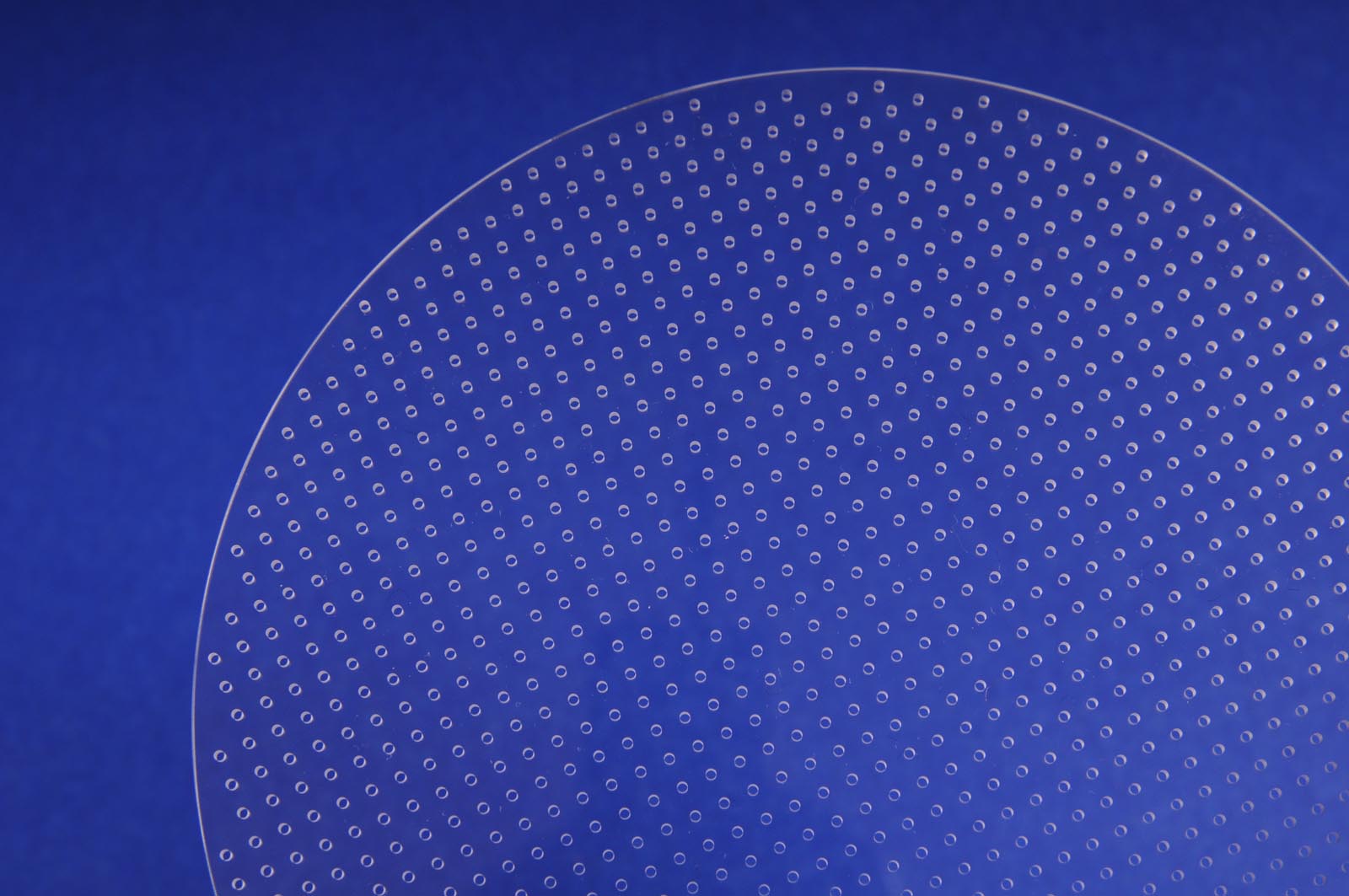
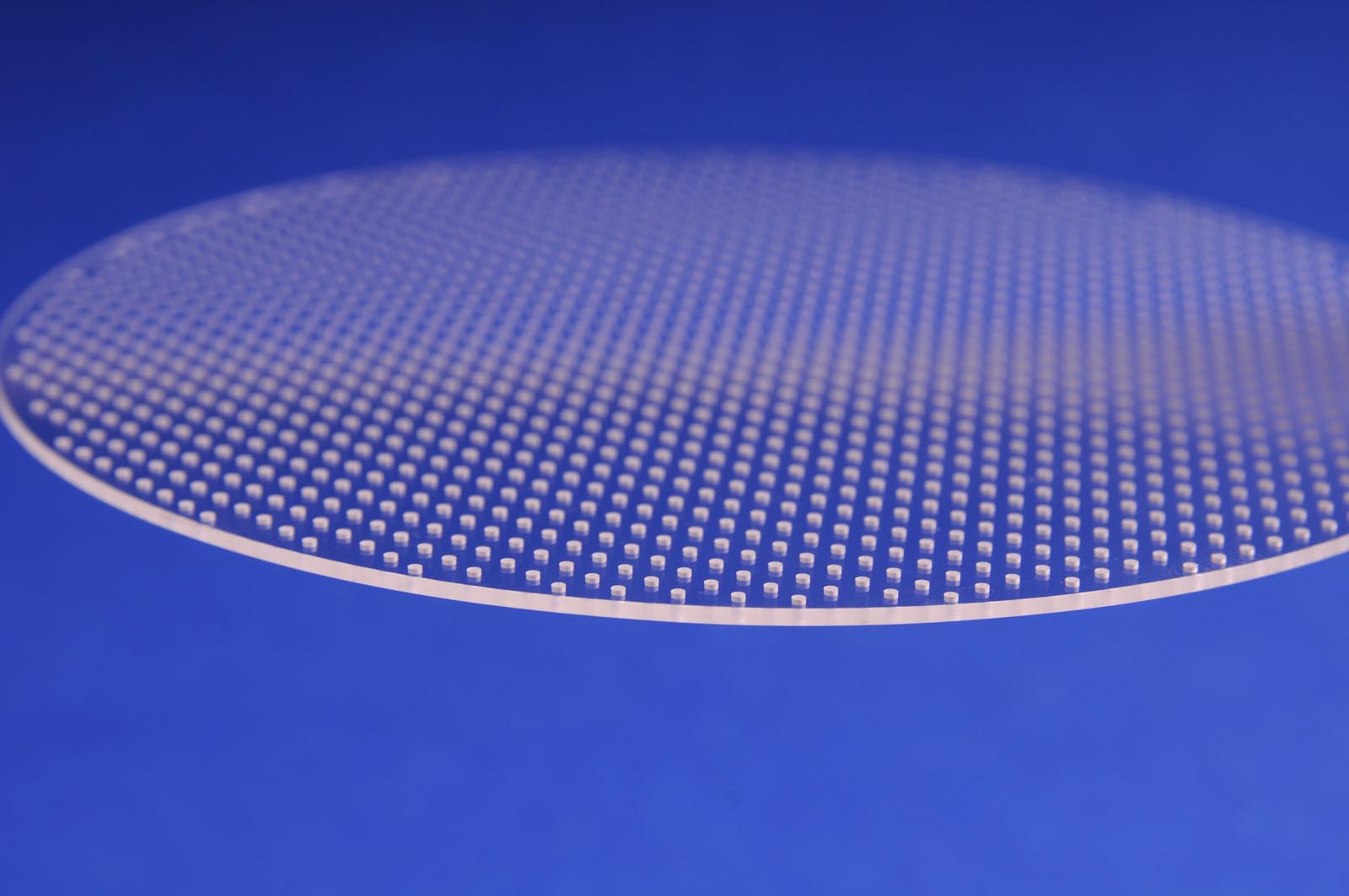
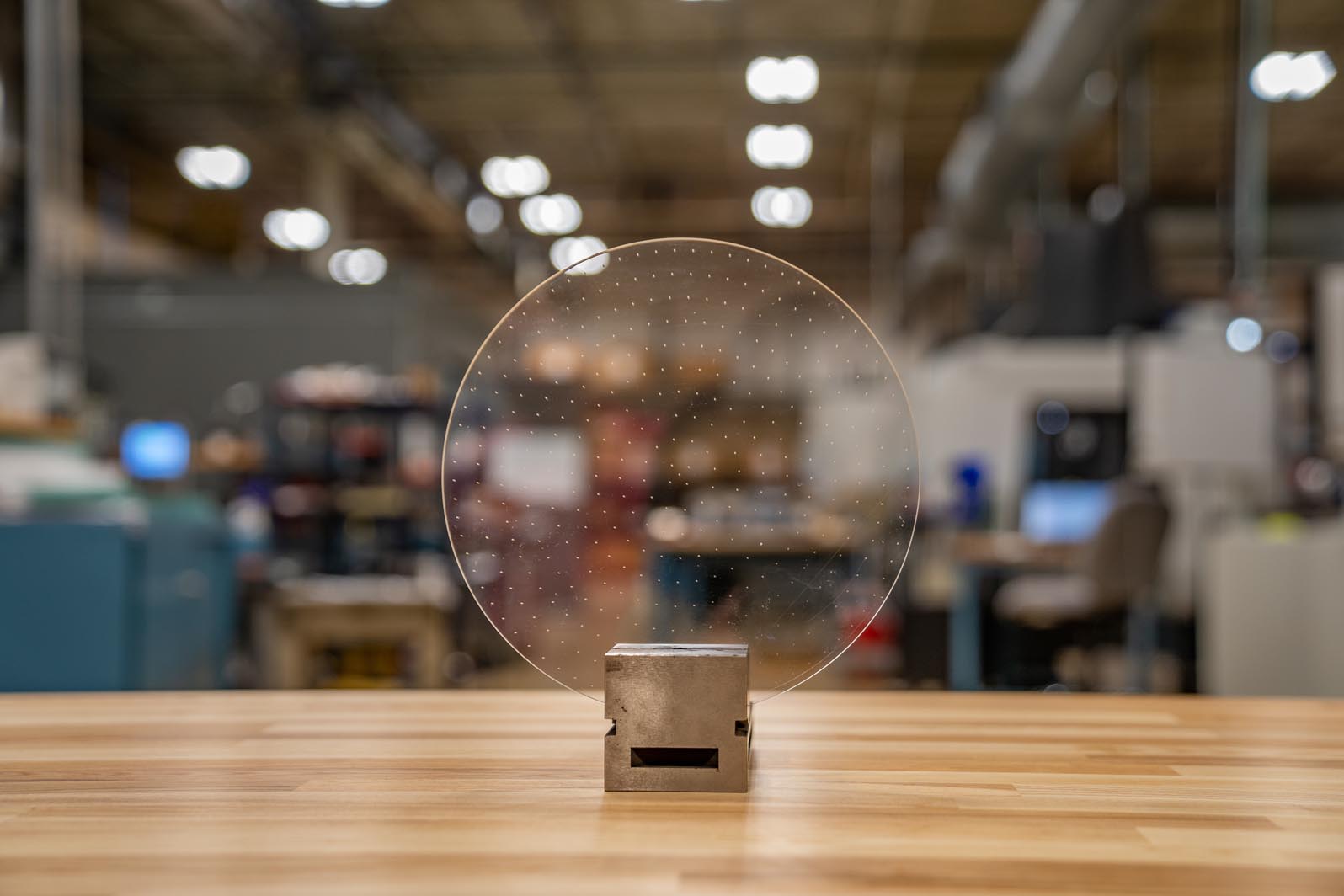
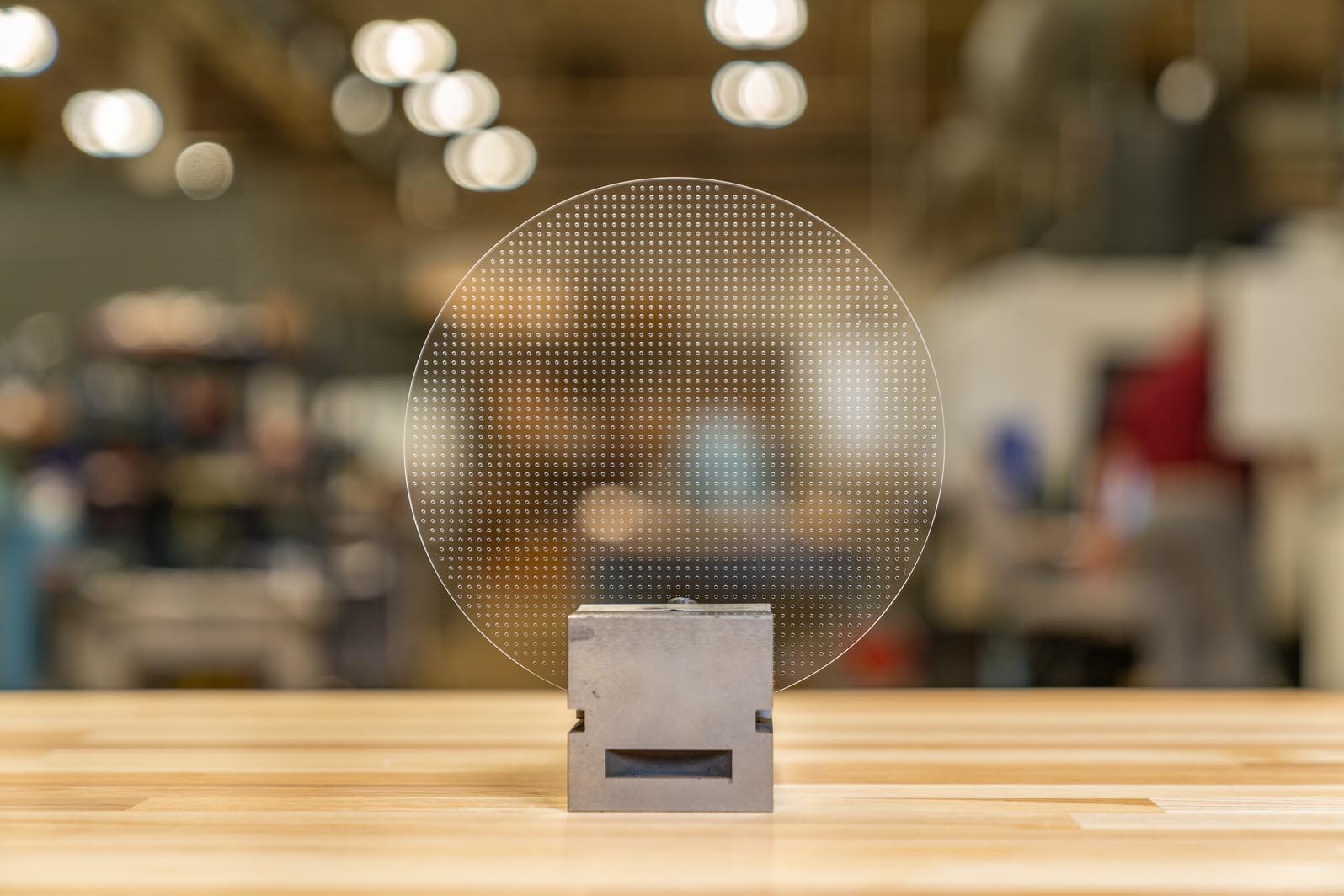
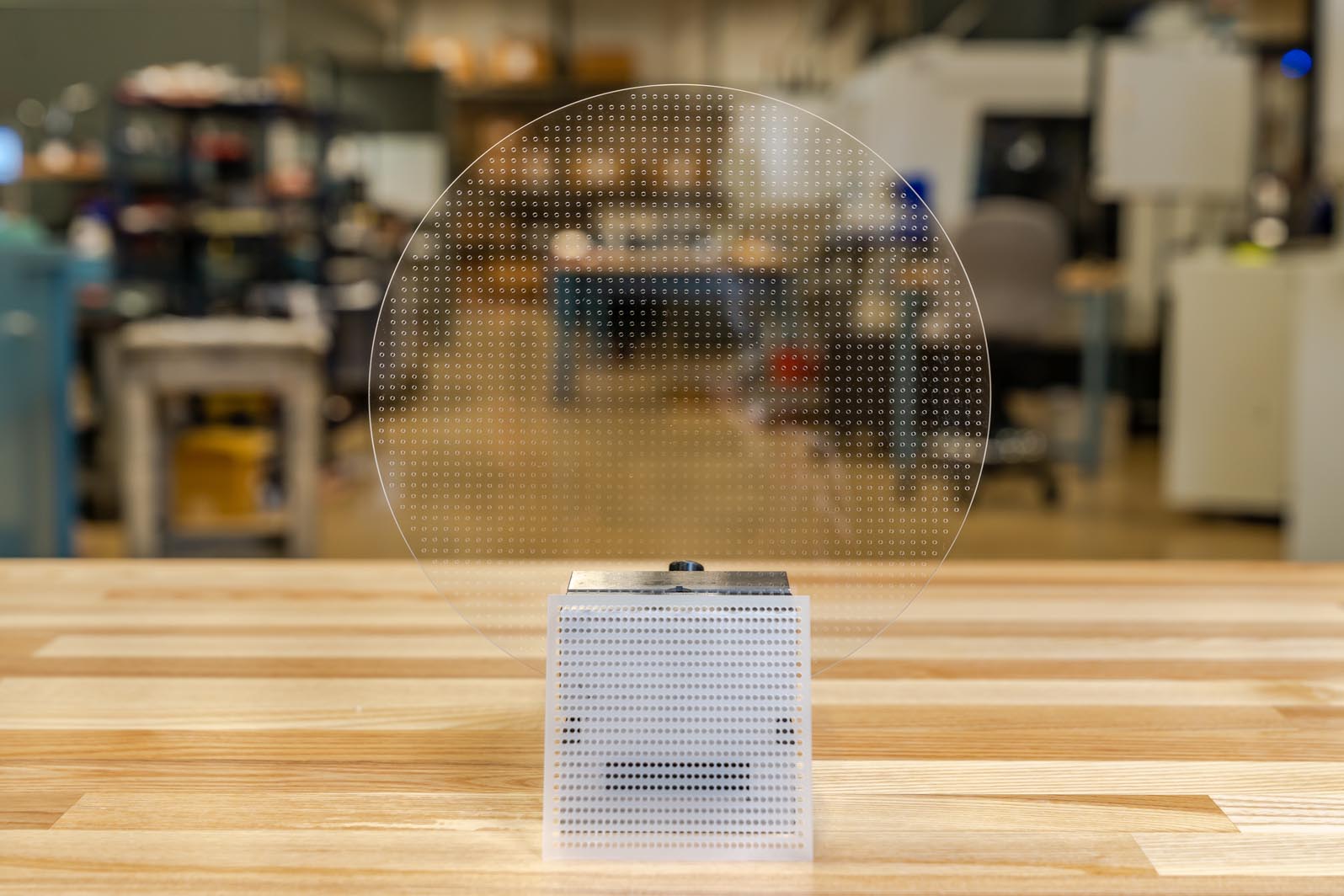
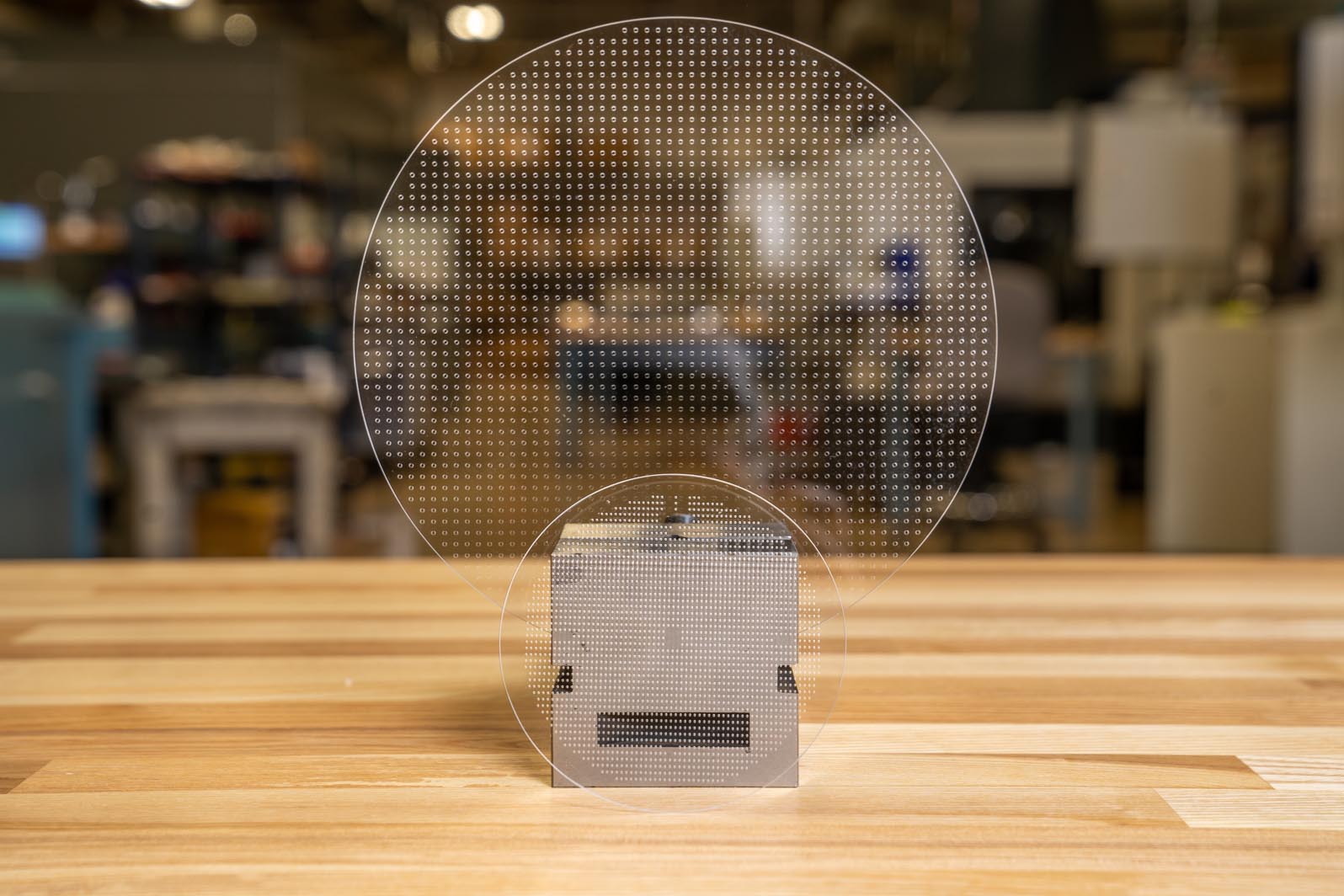
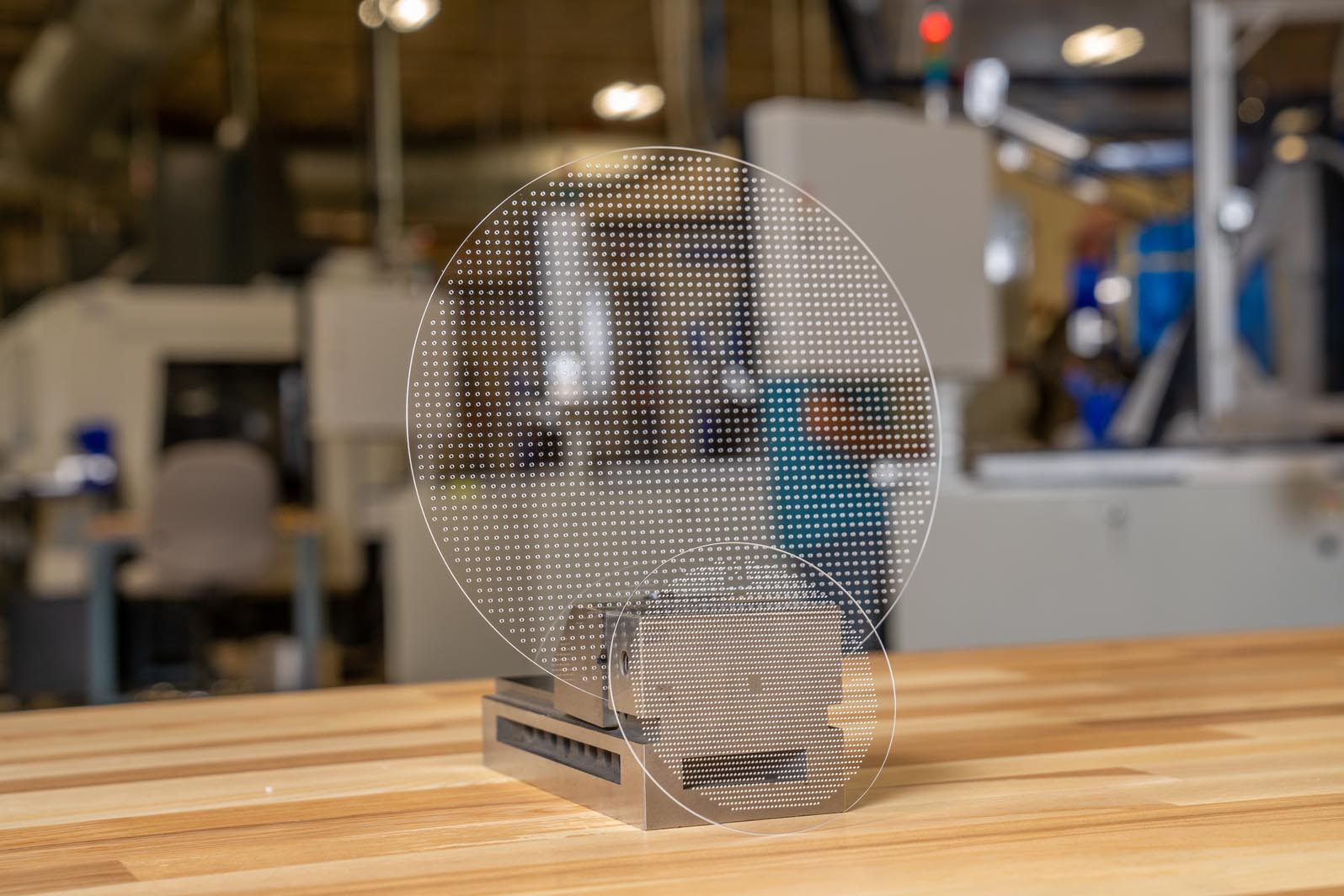
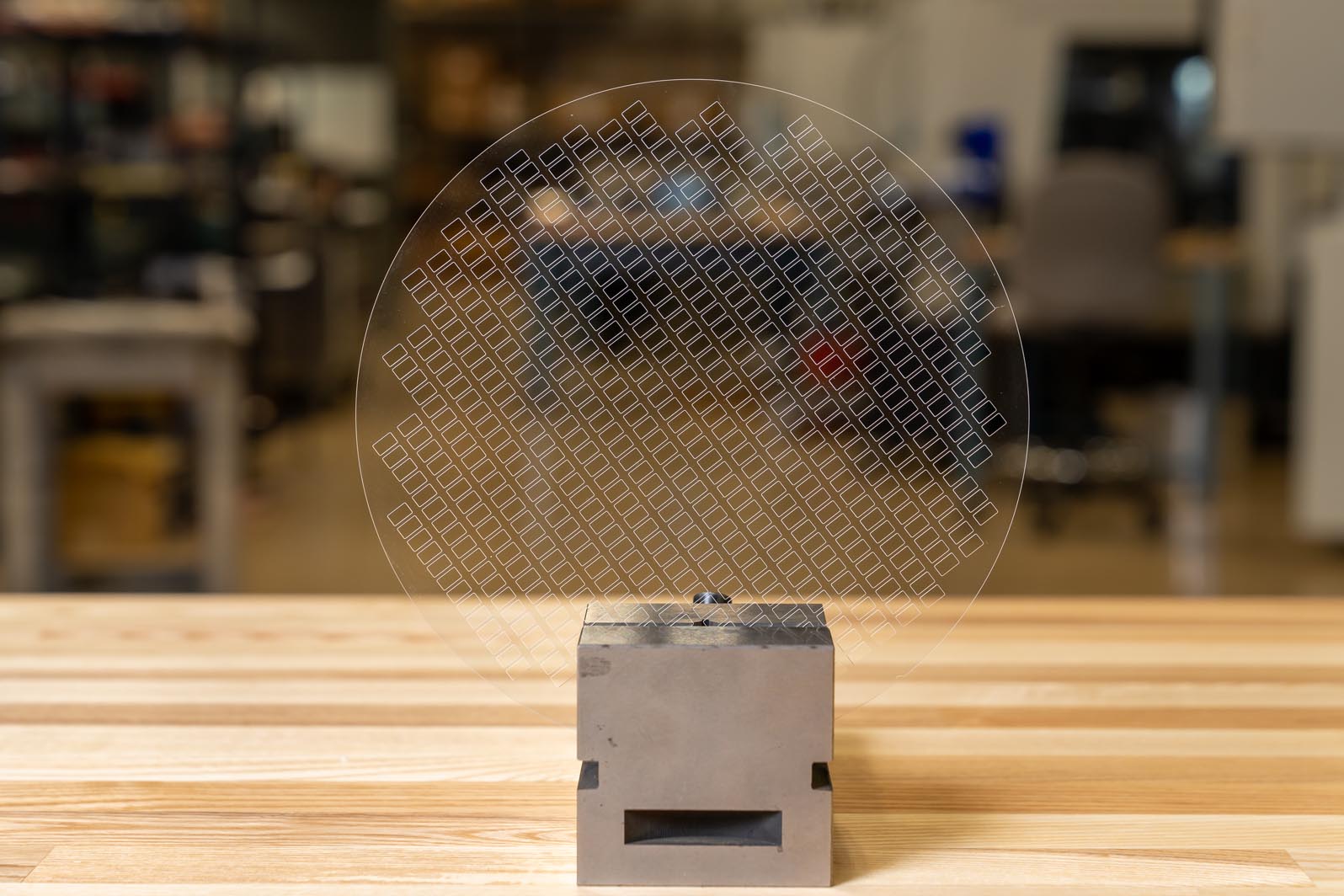
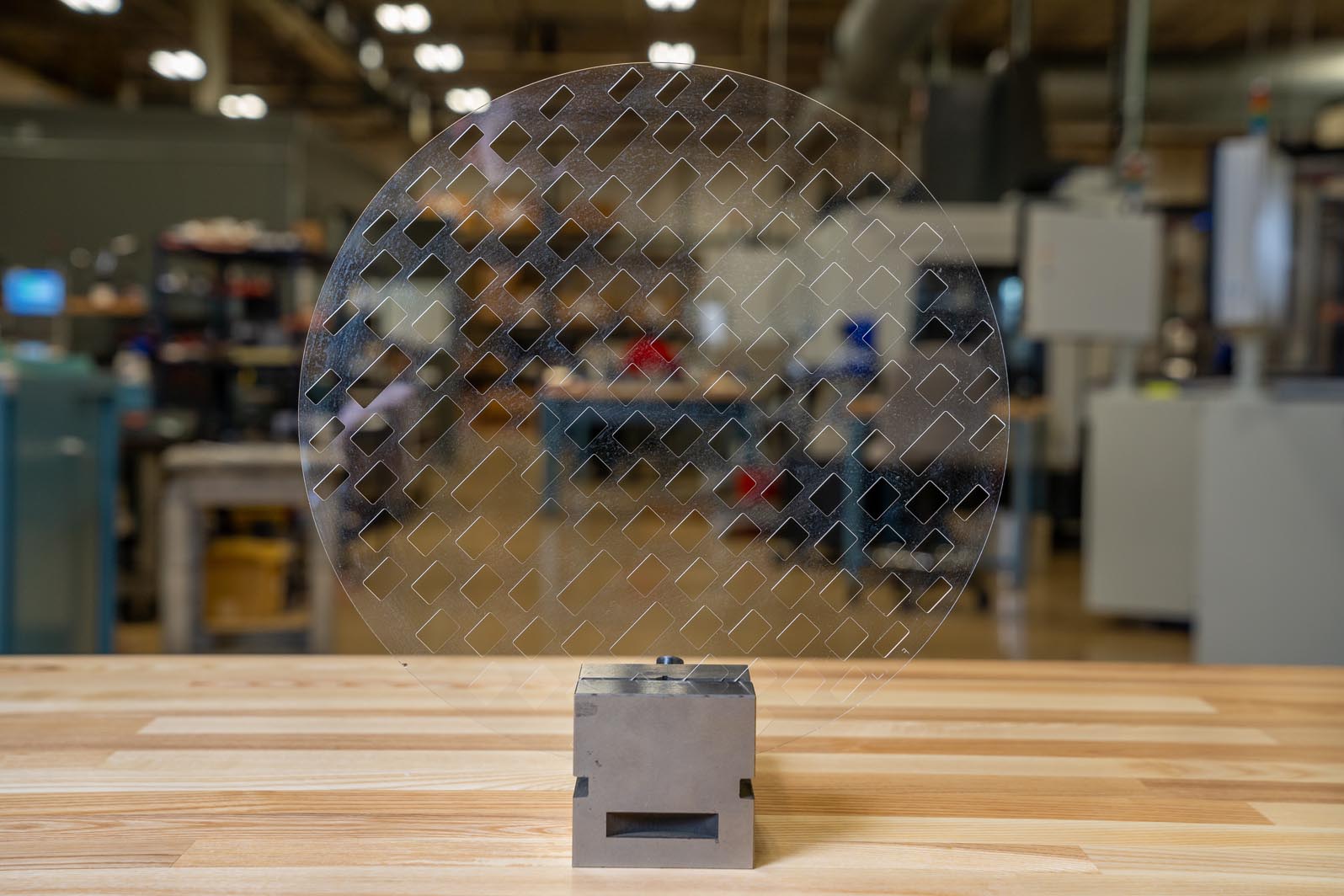
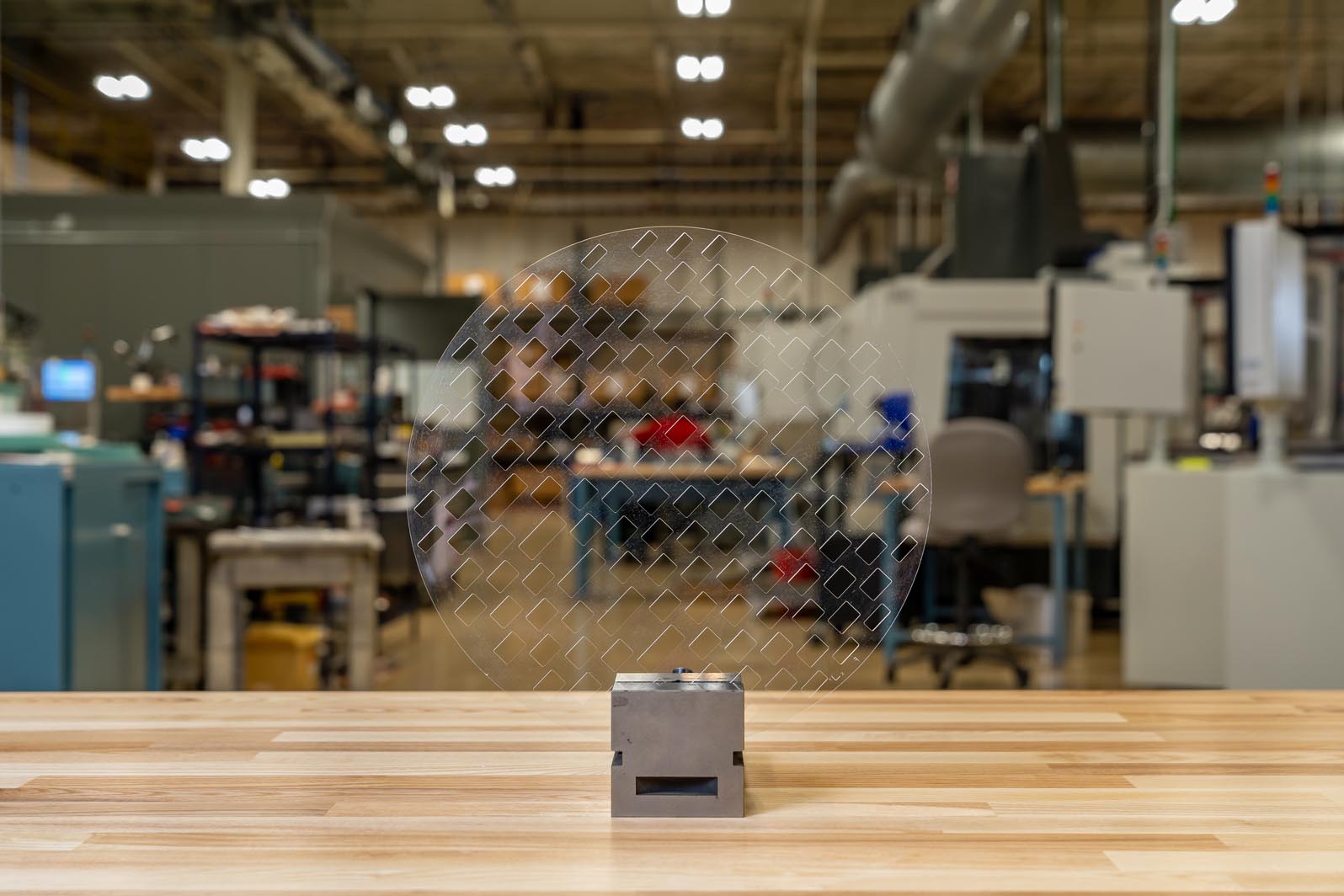
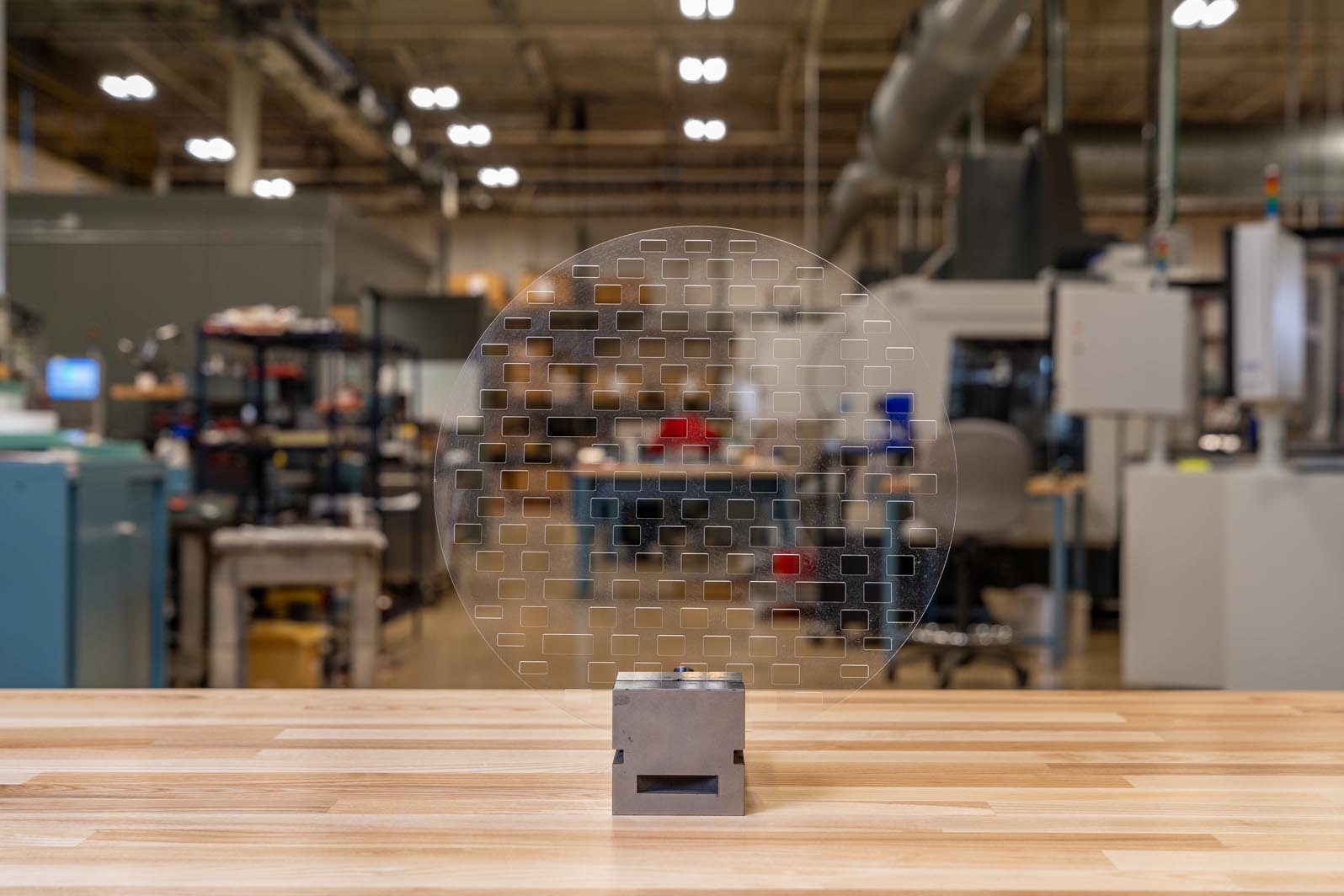
We use proprietary laser drilling technology to cut precise features in transparent materials so your team can execute its vision.
Materials We Machine ↓
MicroLucent® Machining can be used in transparent materials, including:
- Glass
- Sapphire
- Quartz
Features and Patterns Possible ↓
Bullen can machine a limitless number of different cuts and shapes, including:
- Round Holes
- Rectangular Holes
- Odd-shaped holes
- Slots
- Blind Cuts
- Cavities
- OD and ID Work
- Blind Cavities
Applications for MicroLucent® Machining ↓
Applications for MicroLucent Machining include:
- MEMS Glass Devices
- Quartz Semiconductor Gas Distribution Plates (GDP)
- Microfluidics Devices
- Through Glass Vias (TGV)
- Glass Interposers
Advantages of MicroLucent® Machining ↓
Bullen’s MicroLucent Machining process has many advantages over traditional machining.
- Micron level tolerancing
- Superior yields
- No damage to substrates
- No HAZ
- High throughput
GET IT ALL
Bullen’s MicroLucent® Machining offers high-precision quality at an affordable cost.
GLASS THICKNESS: UP TO 15MM
MINIMUM MICROHOLE DIAMETER: 40 µm
FEATURE ACCURACY: +- 10 µm
POSITIONAL ACCURACY: +- 15 µm
MIMIMUM PITCH 10 µm
TAPER ANGLE: NONE
CHIPPING: NONE
MICRO-CRACKS: NONE
A Simple Process to Solve Your Complex Engineering Need
1
Talk to Our Team
2
plan
3
Prototype & pilot
4
produce
News
The Simulation-to-Reality Gap: Why Your Machining Models Fail Advanced materials machining refers to the precision fabrication of hard, brittle substances like technical ceramics and glass using specialized techniques such as ultrasonic machining. This process utilizes high-frequency vibrations and abrasive slurries to remove material without inducing thermal stress or significant subsurface damage. Bridging the gap between […]