Aerospace CMCS
(Ceramic Matrix Composites)
Aerospace clients trust Bullen’s Ultrasonic Ceramic Machining & Drilling for high-reliability CMC applications.
ISO 9001 Certified
AS9100 Certified
IATF 16949 Compliant
ITAR Registered
You’ve Perfected the Design – Don’t Compromise it
Bullen matches the machining technology, methods, and materials to create solutions to your most difficult challenges.
Conventional Machining
(Laser, EDM)

Higher Processing Costs
Lower Production Yield
Required Post-Machining Polishing to Relieve Stress & Slag
Common Processing Defects
Limited Feature Sizes Possible
Bullen Ultrasonic Machining

Lower Total Cost
Higher Production Yield
No Post-Processing Steps Required
Greater Design Reliability & Quality
More Feature Sizes Possible
You Deserve a Better Solution for your CMC Design

Preserve Material Reliability
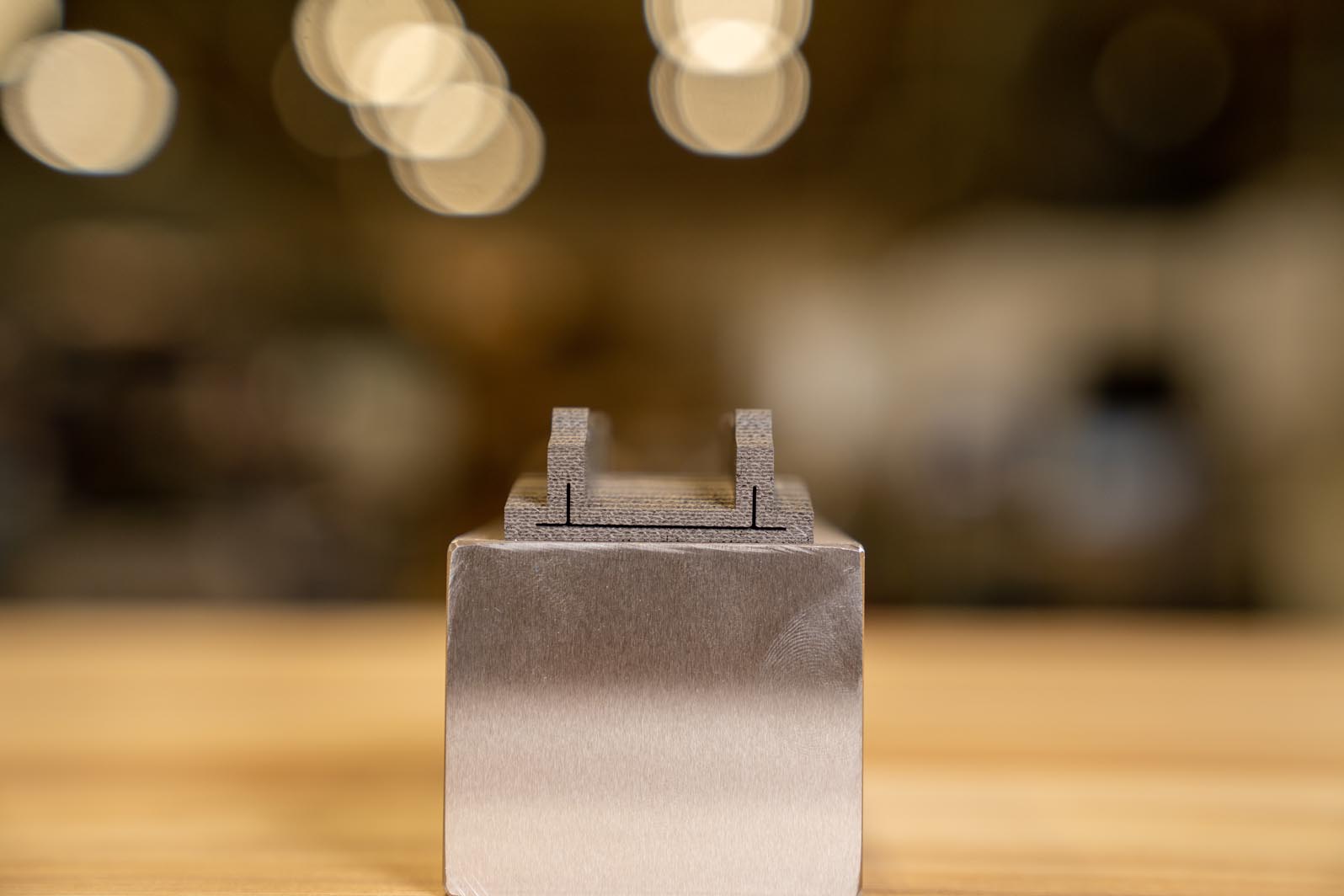
The substrate material’s chemical and physical properties remain unchanged – non-thermal method results in no haz (heat affected zone) and little to no substrate damage
Expand Design Possibilities
Implement feature sizes not possible with laser machining on thicker substrates – micron-level accuracy widens the range of capabilities
Optimize Production
Eliminate inefficiencies that slow down production and increase the cost – trust in a faster and more cost-effective process
BULLEN CMC Capabilities
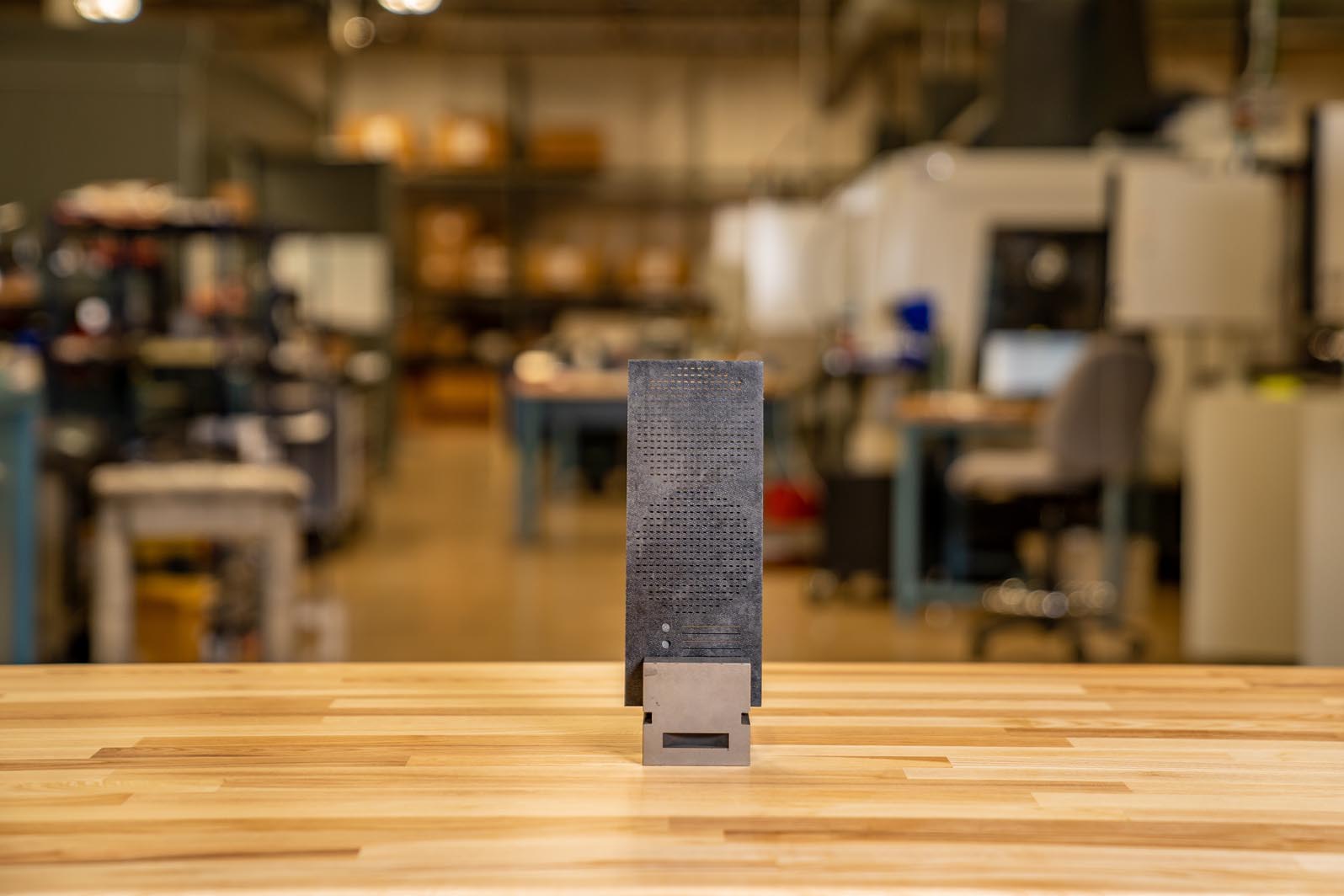
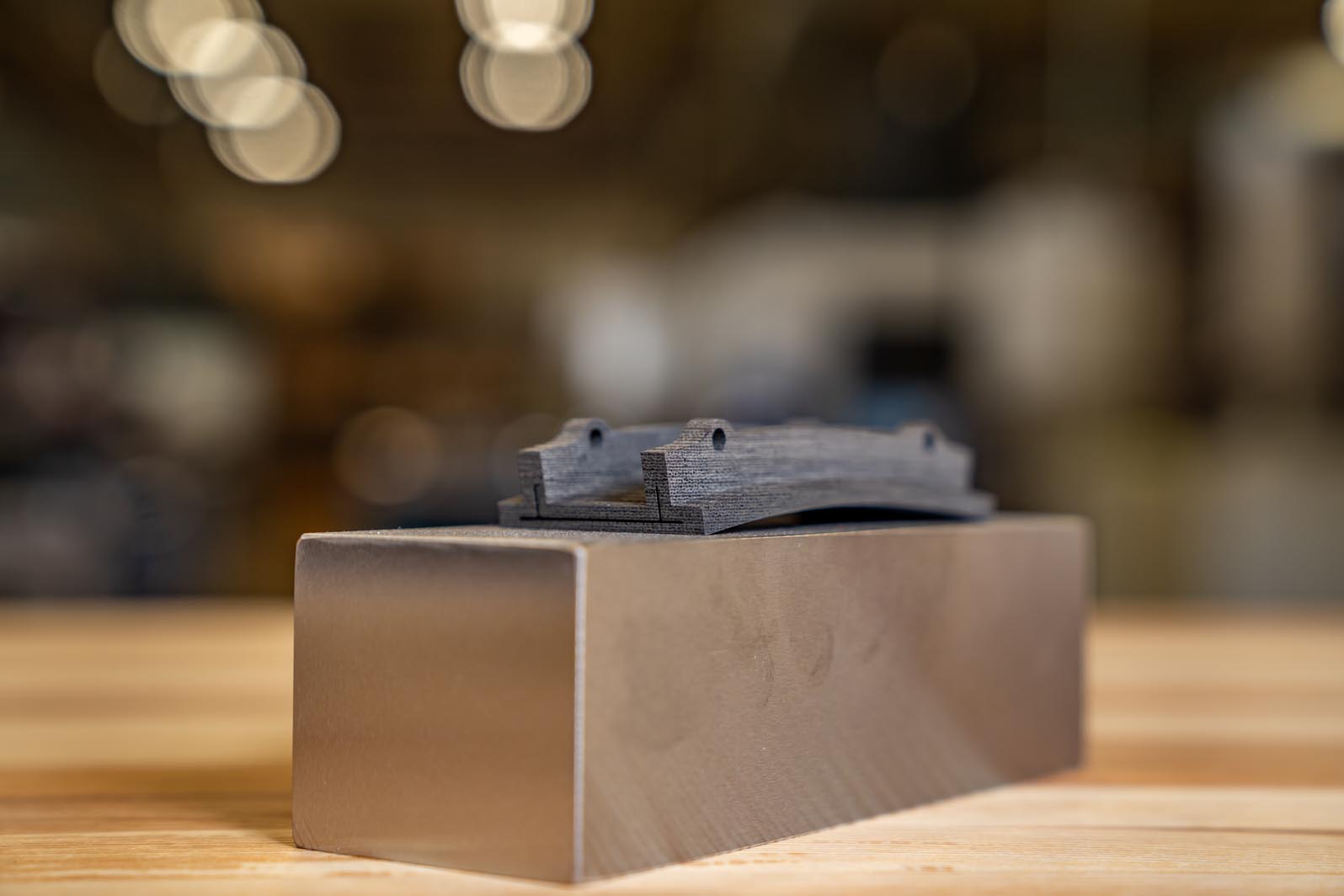
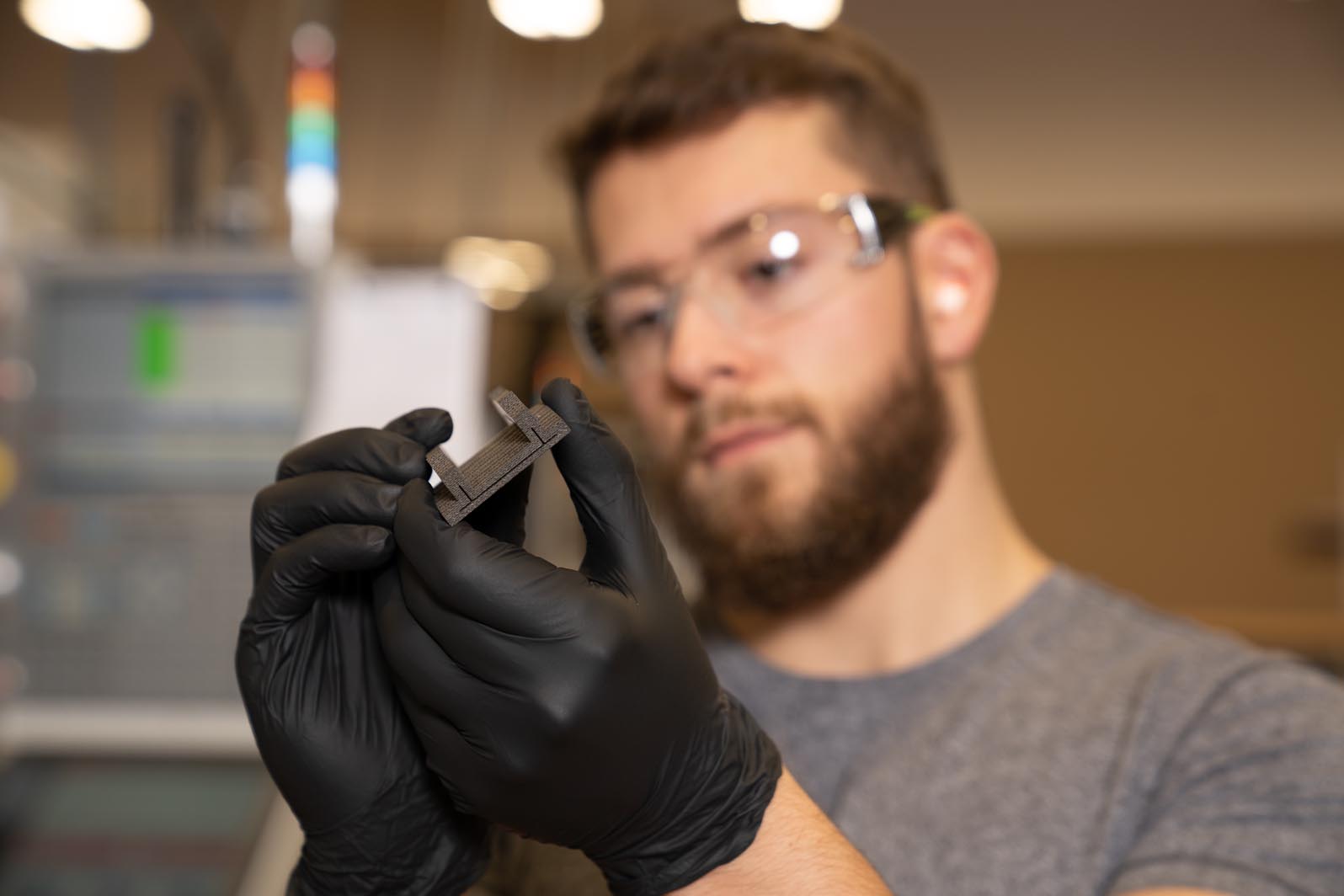
✓ Machined slots
✓ Round, square, and odd-shaped thru-holes and cavities
Machining limitations shouldn’t hold you back
Bullen offers unique capabilities beyond traditional machining
Our proprietary capabilities deliver viable solutions to complex engineering problems.
ULTRASONIC MACHINING
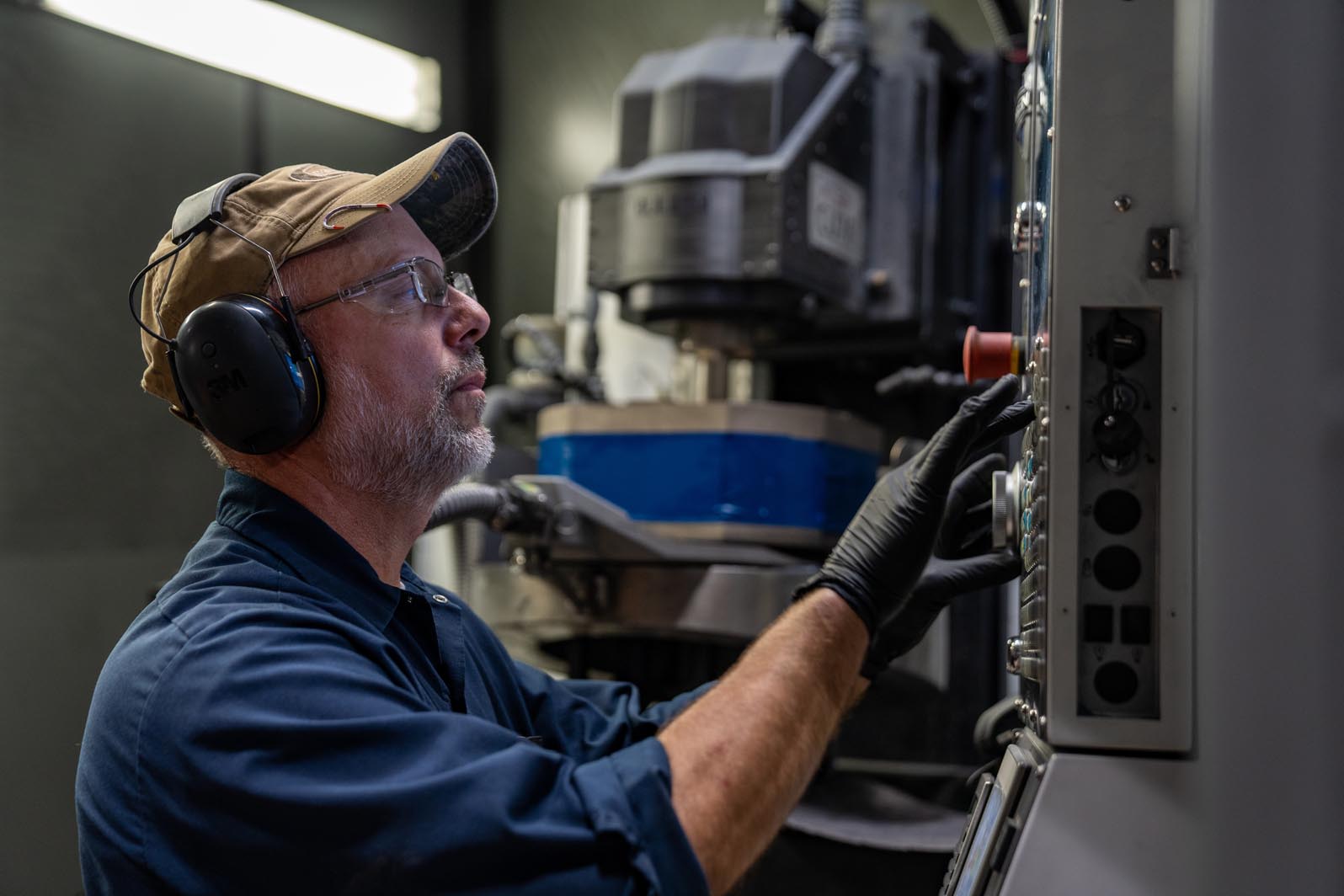
The world’s leading Ultrasonic Machining company, Bullen provides a superior solution to traditional machining when your design requires a feature or pattern in certain hard, brittle, & specialty materials.
Explore Ultrasonic Machining >

Bullen MICROLUCENT® MACHINING
Bullen uses unique laser technology to cut precise features in transparent materials. This proprietary technology lowers costs while improving the quality of cuts.
Explore Microlucent® Machining >
News
The Simulation-to-Reality Gap: Why Your Machining Models Fail Advanced materials machining refers to the precision fabrication of hard, brittle substances like technical ceramics and glass using specialized techniques such as ultrasonic machining. This process utilizes high-frequency vibrations and abrasive slurries to remove material without inducing thermal stress or significant subsurface damage. Bridging the gap between […]